Help us deliver a fair share of water in this year’s Big Give Christmas Challenge
Water is a global resource, but it’s not shared fairly.
In places like drought-prone central India where there’s intensive farming and large factories that manufacture the goods we buy and use, there’s a battle for water.
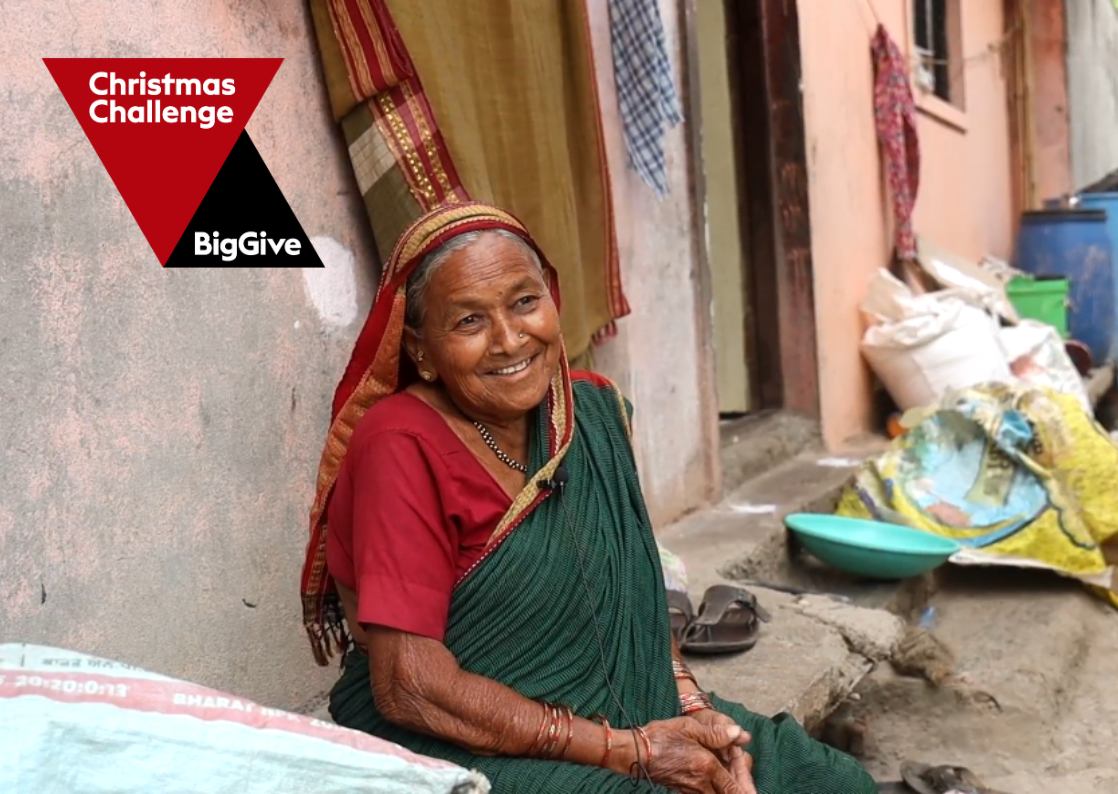
It’s often those in the most vulnerable circumstances that lose out.
Until noon on 9 December we are raising money to fix this. We’ve already reached our £50,000 Big Give target, but we won’t stop. An incredible private supporter couple has offered a further £6,000 to match any donations made until our appeal closes.
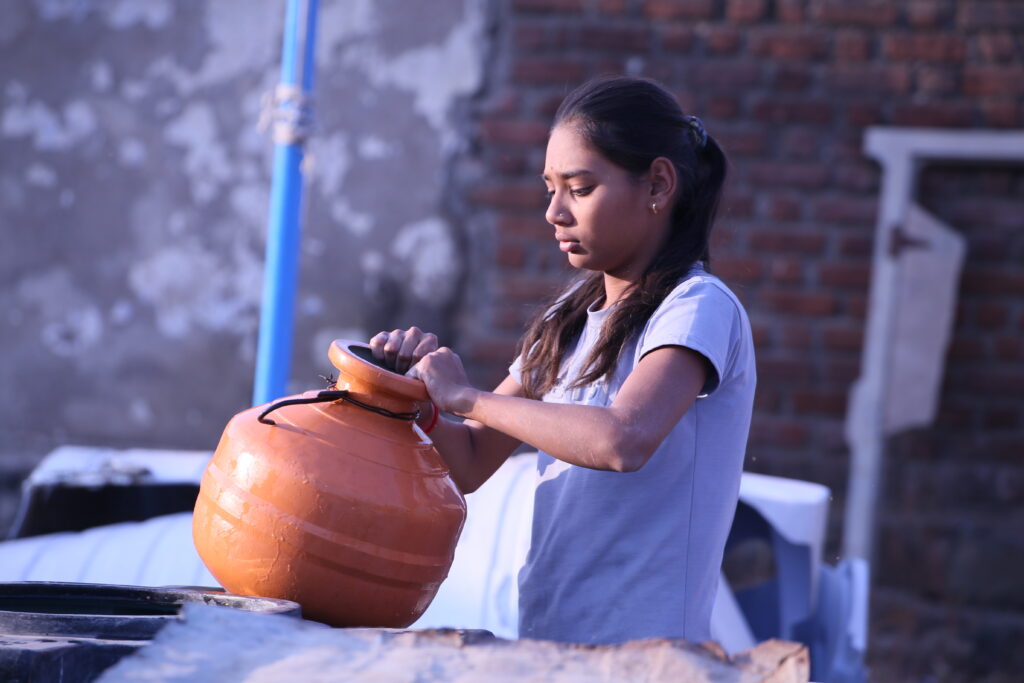
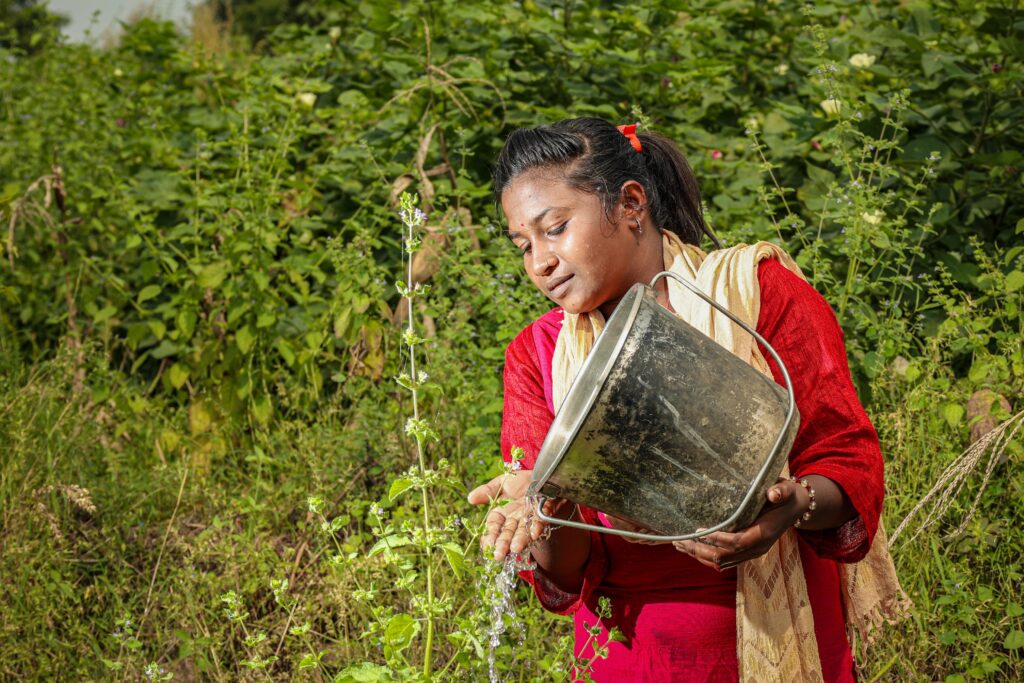
In the state of Maharashtra in central India, booming industries have exploited any freshwater they can find to make products to export all over the world. This means that communities living in rural villages across the state have had to dig into deep aquifers in their search for water to drink, cook and clean with. The water they’ve found isn’t safe, it’s contaminated with salt, iron and fluoride which leaches through the rocks as droughts increase and it’s also contaminated with chemicals used in intensive farming.
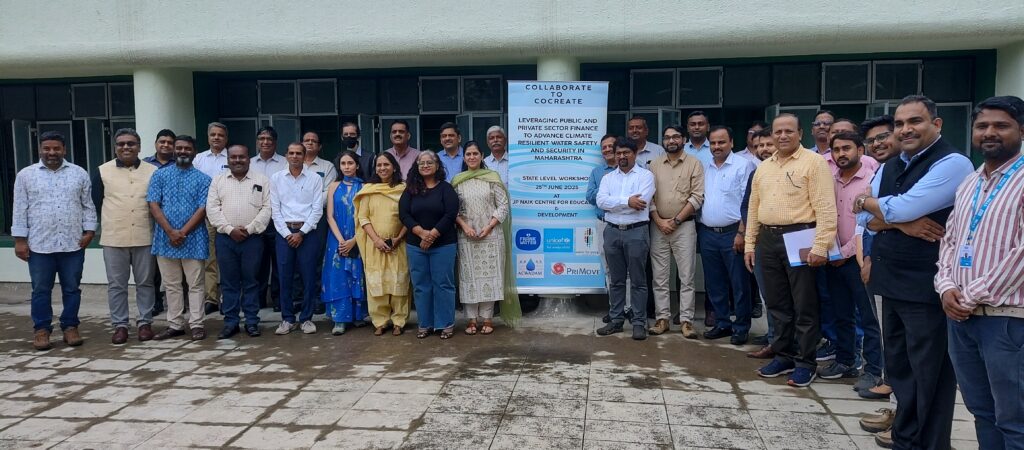
Frank Water is standing alongside communities to ensure that aquifers aren’t pumped dry. We’re working to make sure local people have an understanding of the problem, of what solutions are available and we’re even working at a district and state level to change policies – all of which is making sure that there is a fair share of safe water for people living in rural Maharashtra.
Our work gives communities back the power to claim just water. Donate to our Big Give appeal before noon on 9 December and your donation will be matched, doubling its impact for families that urgently need a fair share of water.
Here’s how your donation could help:
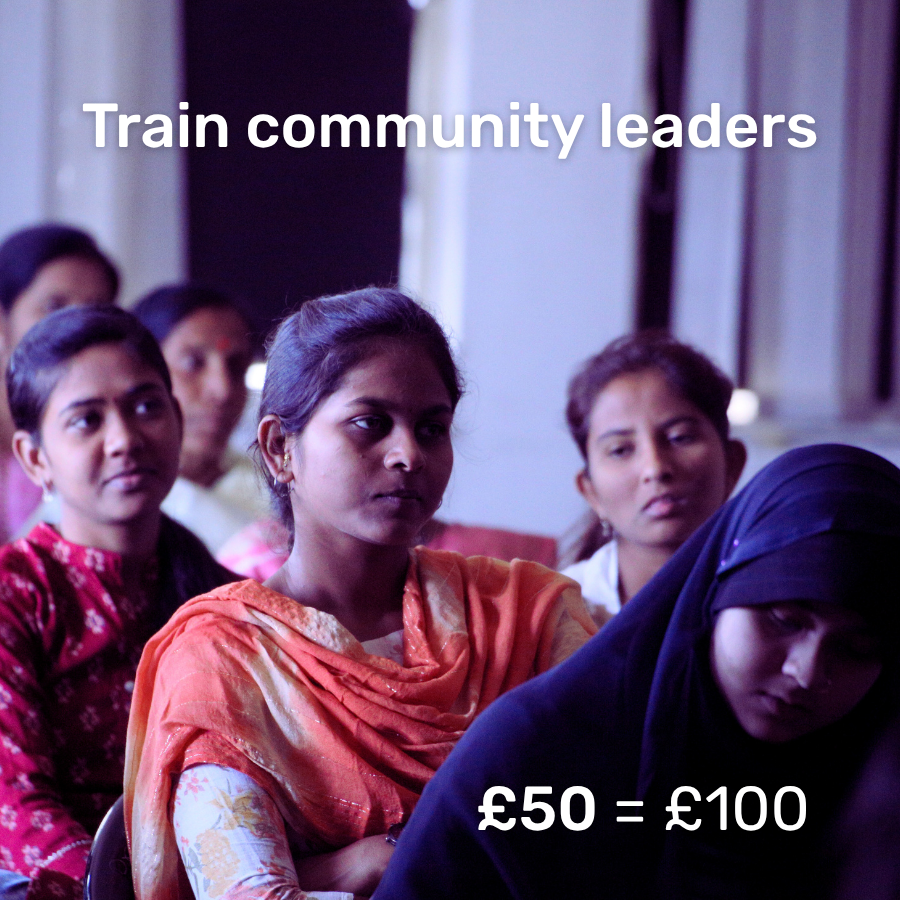
£50 will be doubled to £100 for training community water stewards and enabling grassroots governance, so that every drop is safeguarded by the people who depend on it most.
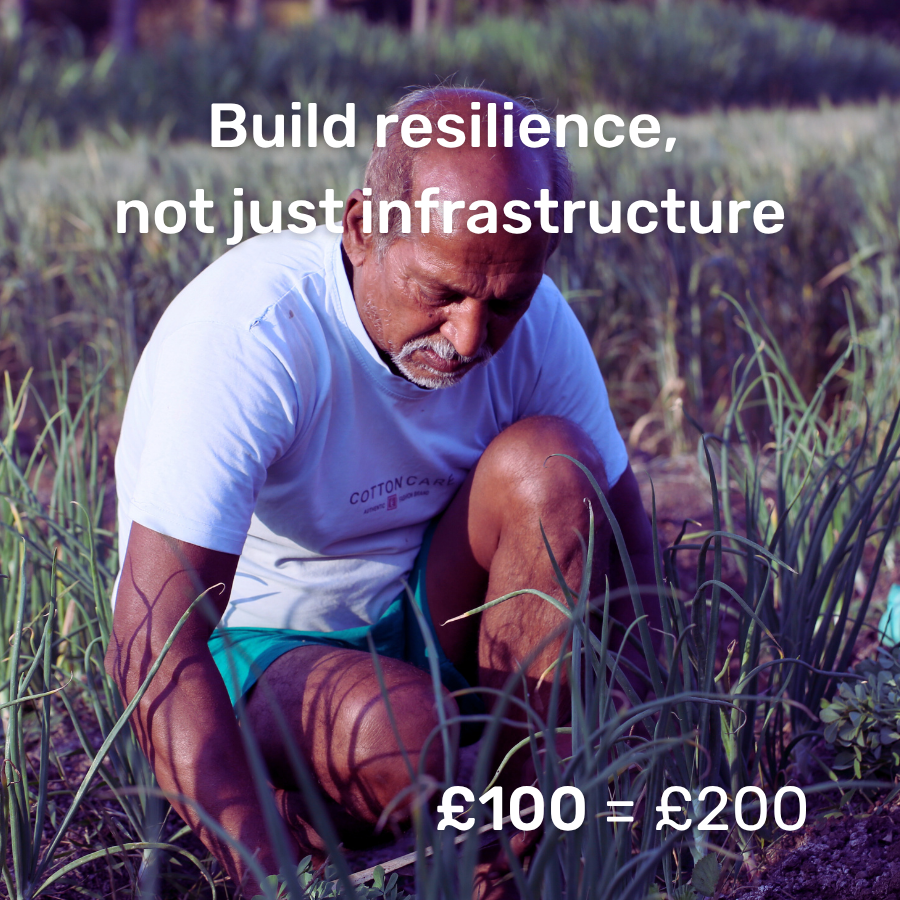
£100 will be doubled to £200 and could help communities access water for irrigation that will rejuvenate the soil and provide bountiful crops.
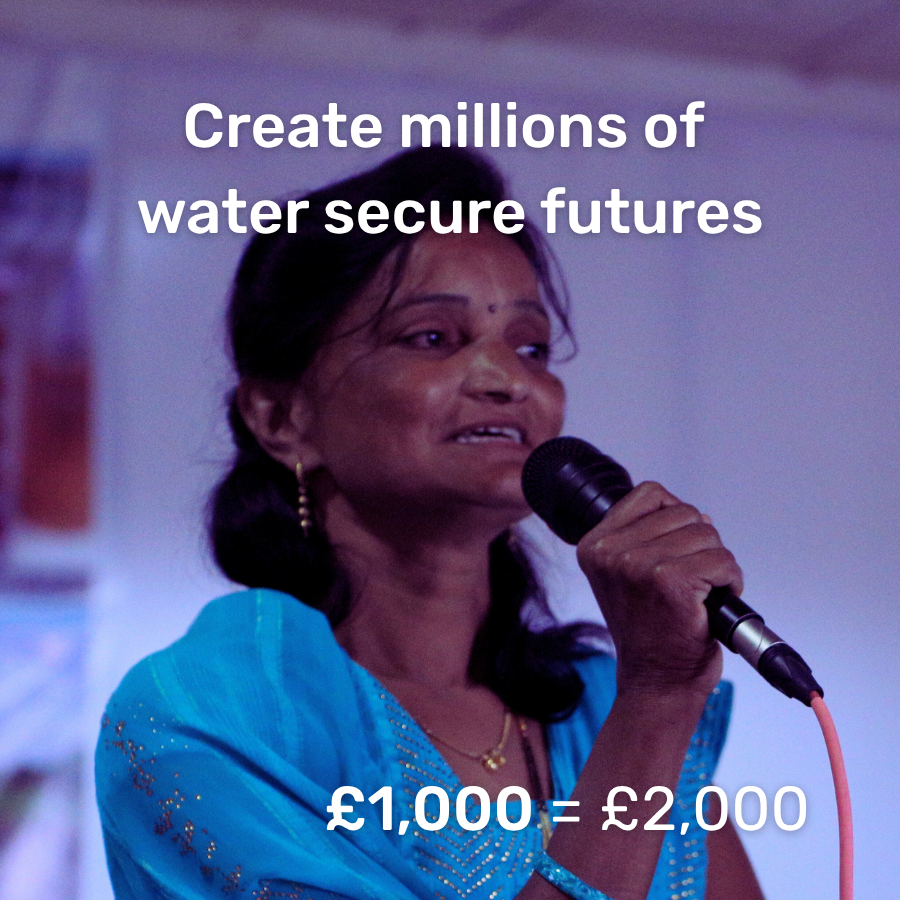
£1,000 will be doubled to an incredible £2,000 and could help assess and present evidence that decision-makers listen to. You’re not just improving water security for one village, you’re helping shape state policies that can transform access to safe, reliable water for millions of people.