Just Water: A Fairer Future for Communities in India
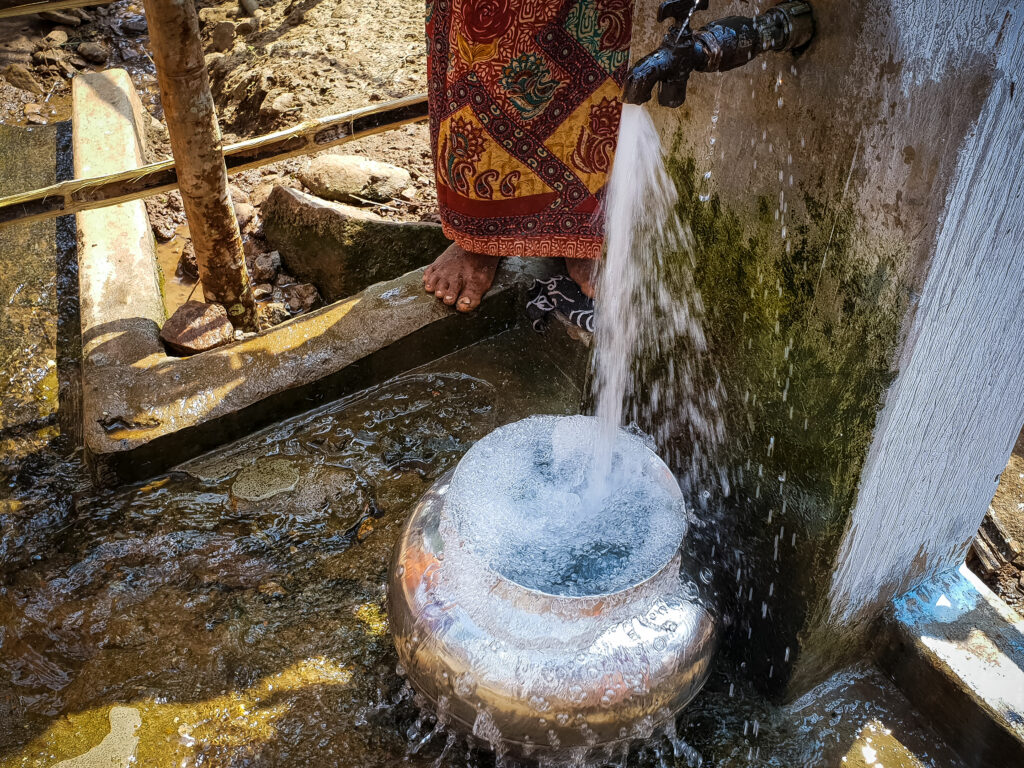
Water is not shared fairly around the world — and in central India, this injustice is felt every day.
Millions of people across the region live without reliable access to clean, safe water. Rivers and groundwater are polluted by industrial waste, chemical fertilisers and poor waste management. Climate change is making things worse, with longer droughts, more intense floods, and unpredictable rainfall pushing already stressed communities to the brink.
This project supported families in some of the worst-affected areas of central India to improve their access to water, protect local sources, and build long-term resilience.
Together with our local partners, we:
-
Improved access to safe, clean water for households and schools
-
Helped communities protect springs, rivers and groundwater from contamination and overuse
-
Supported women and girls to lead local water management efforts
-
Strengthened resilience to climate-related shocks like drought and flood
In many of the villages we worked in, families now have access to safer water, better health, and more time to focus on education and livelihoods — especially women and girls who previously spent hours collecting water each day.
This project is a step towards a world where just water is not a privilege, but a right.
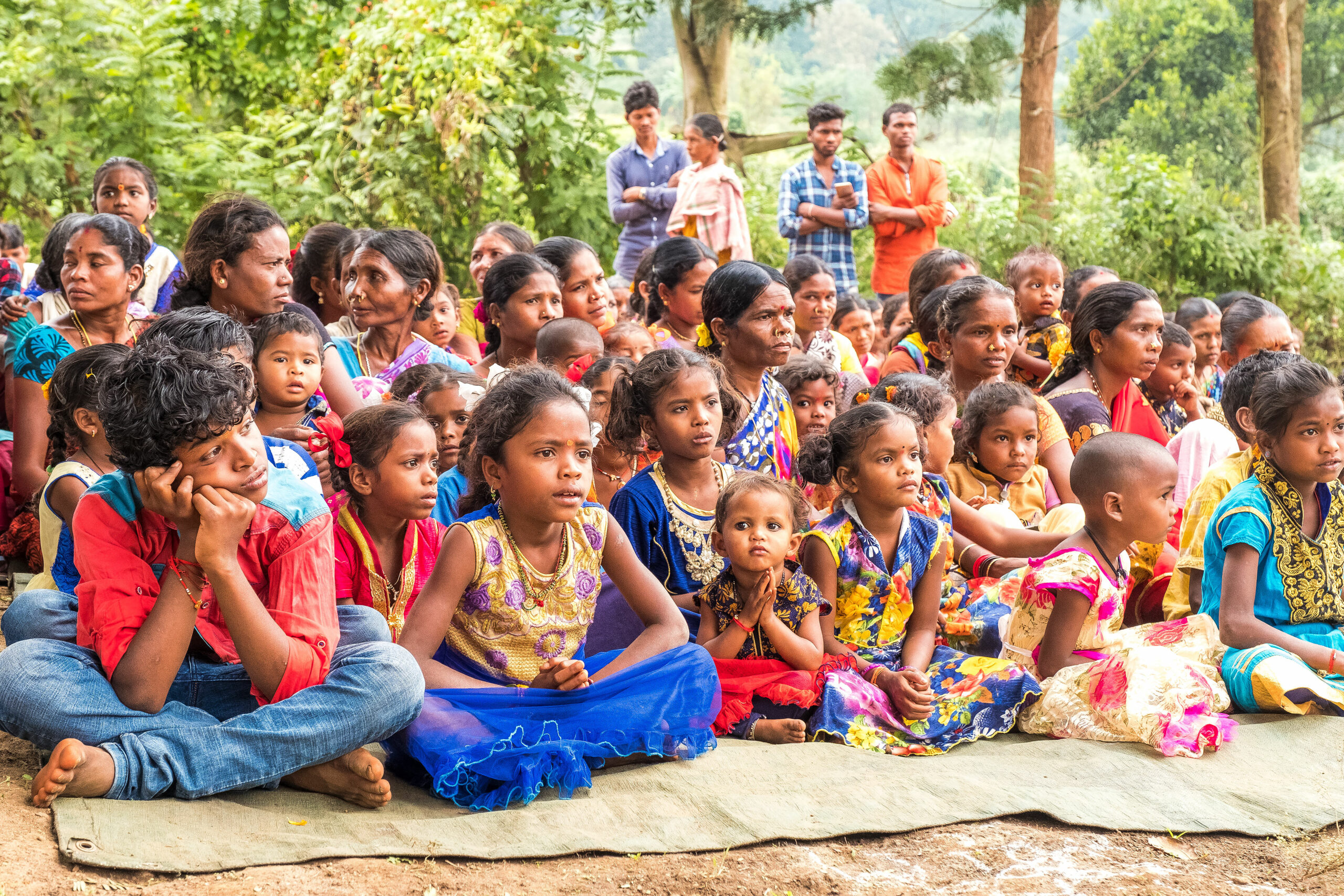
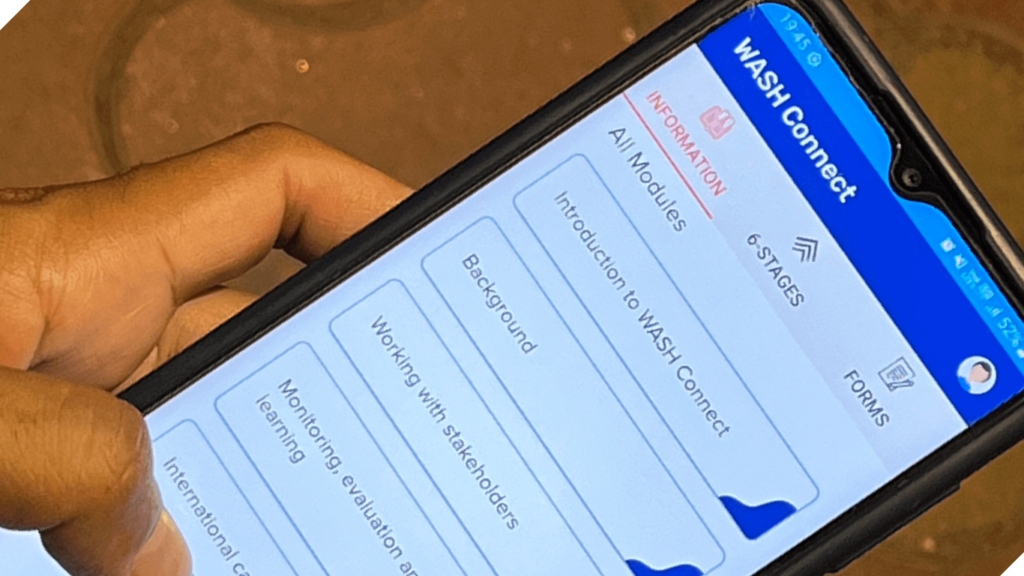
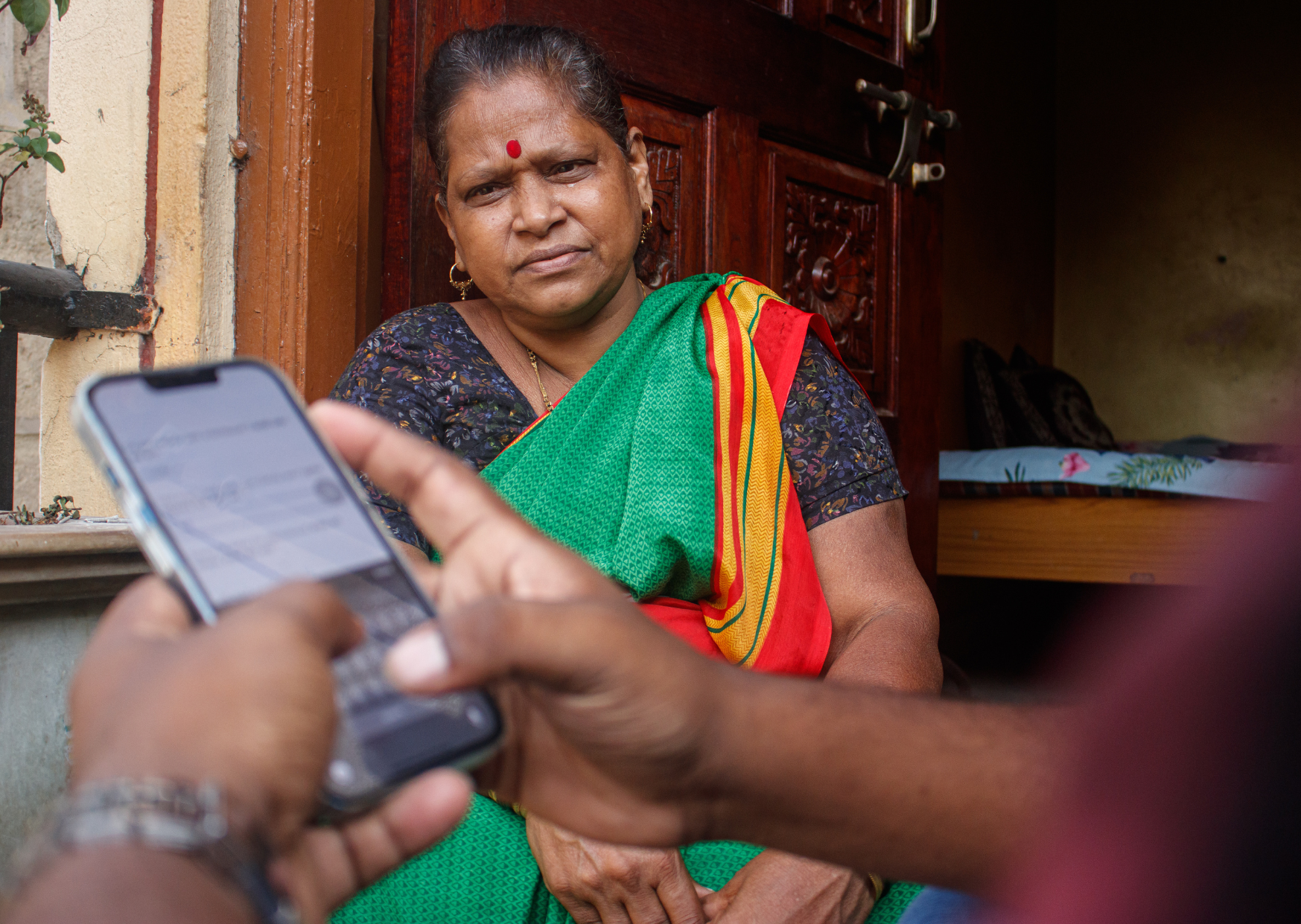
To build a water security plan, Frank Water starts by delivering training to a group of volunteers from that community, to teach them the basics of hydrology, and how to carry out household surveys to measure water supply and demand. Armed with this data, we support communities to create their own tailored water security plan, using the local government’s template. Once the community has presented their plan to local government, we work with officials to help them identify the different funds they can use to turn the plan into reality.
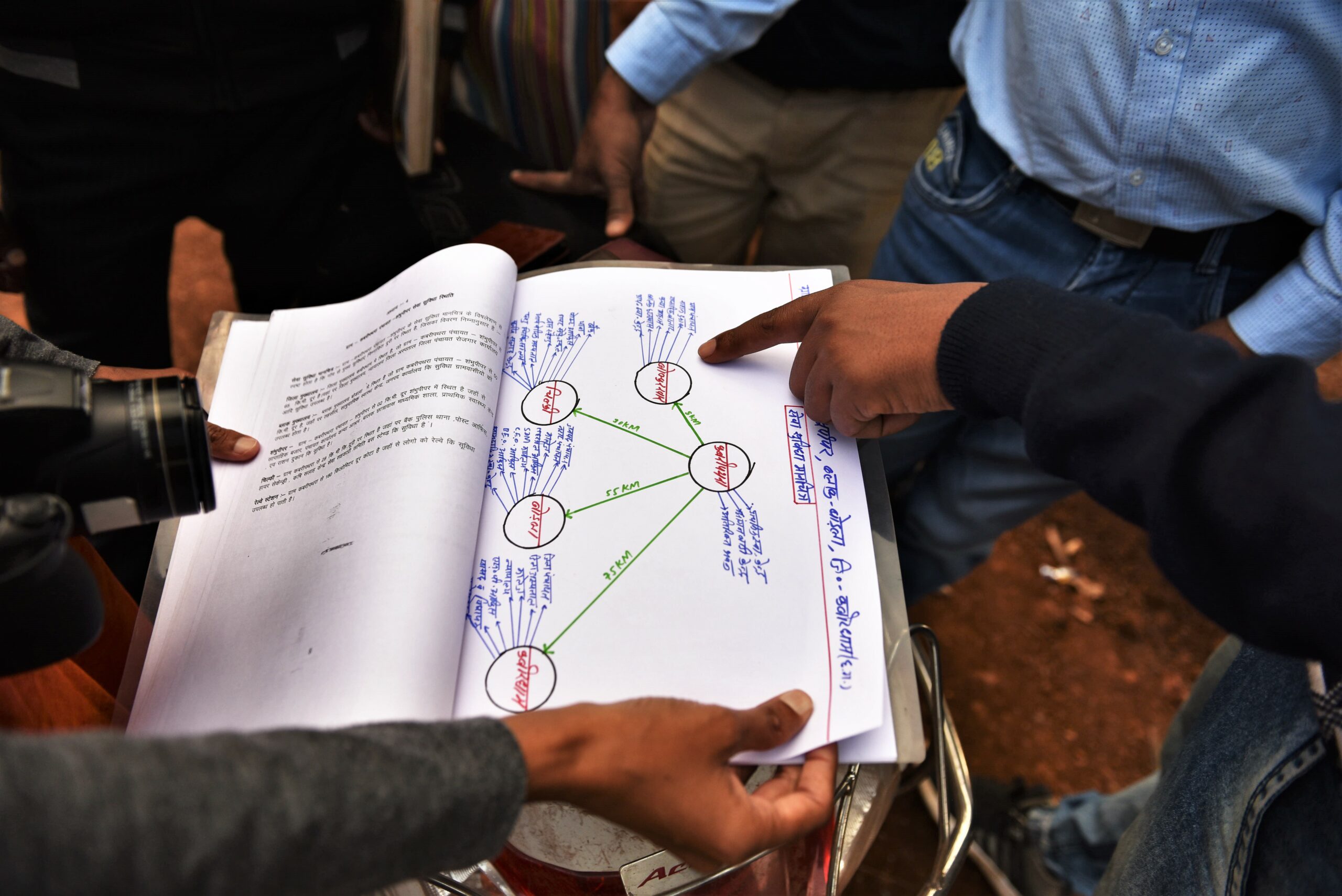
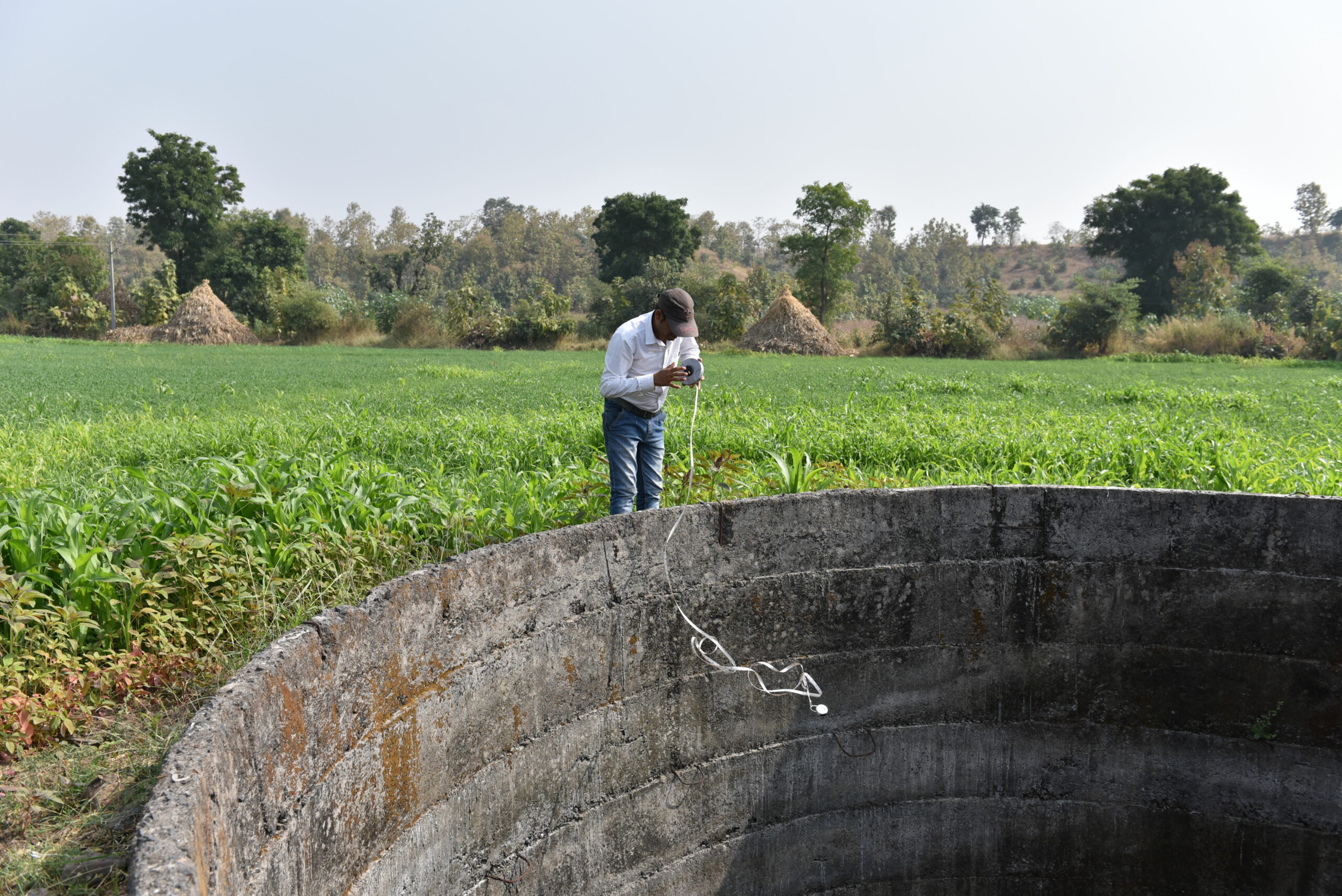
After the plan is approved and put into place, we monitor how the plan is implemented and encourage behaviour change needed to make it a success. Building toilets is only the first step to safe sanitation, we need to support people to understand the benefit and importance of using them. This is crucial to ensure that projects remain successful and sustainable into the longterm.
On average we spend around five years with each community, supporting them as they move onto the next stages of development.
Other projects
19.05.2025
Listening differently: audio notes in rural Nepal
19.05.2025
Listening differently: audio notes in rural Nepal
Read more
‘Yes we can.’ Assessing the feasibility of water p…
‘Yes we can.’ Assessing the feasibility of water p…
Read more