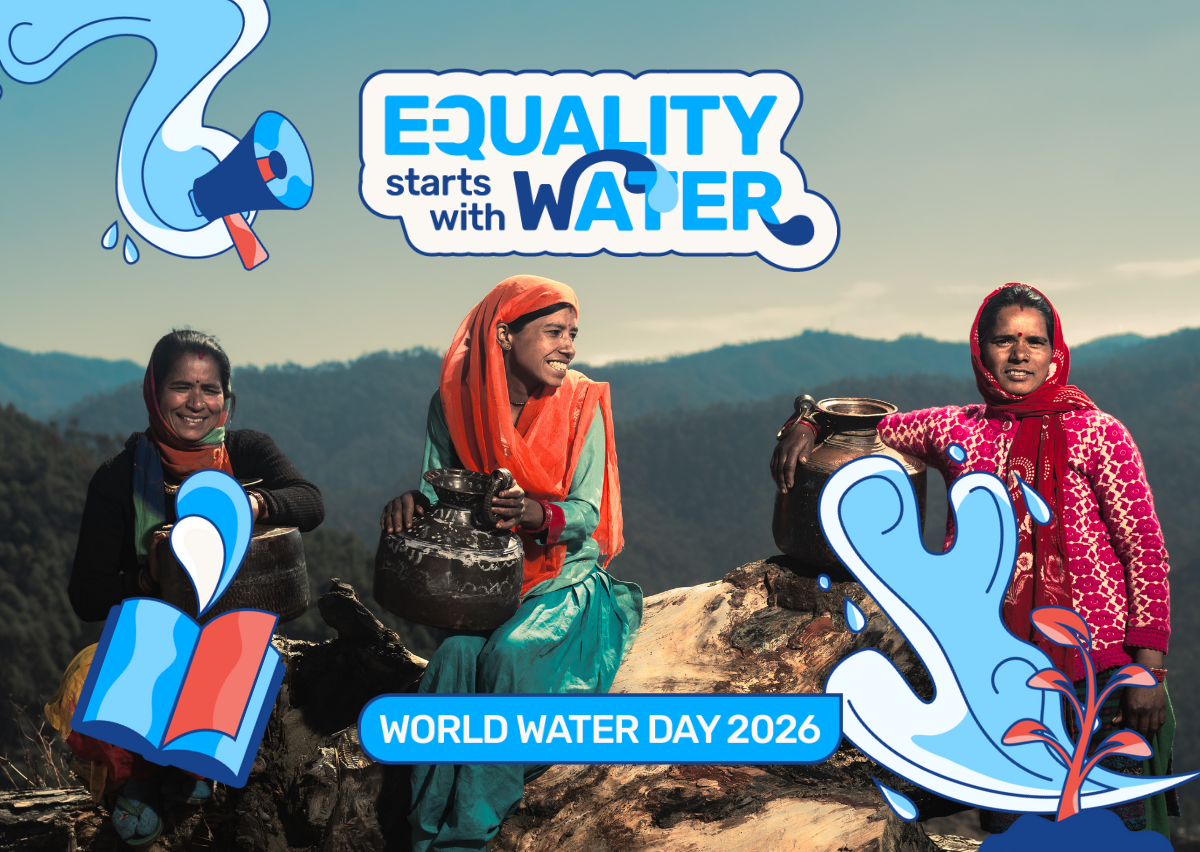
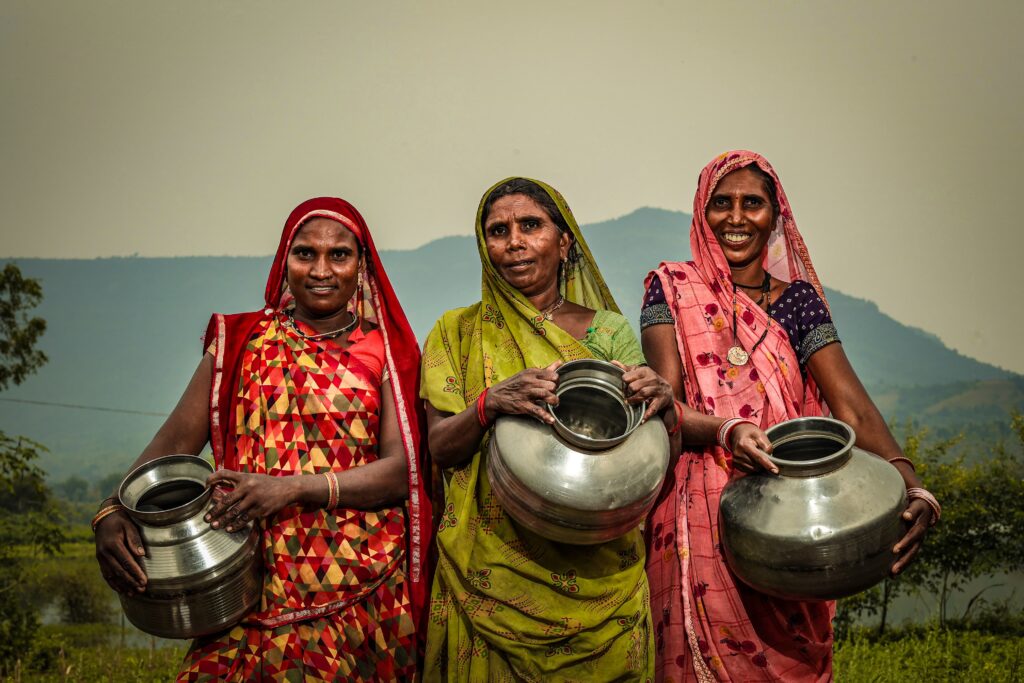
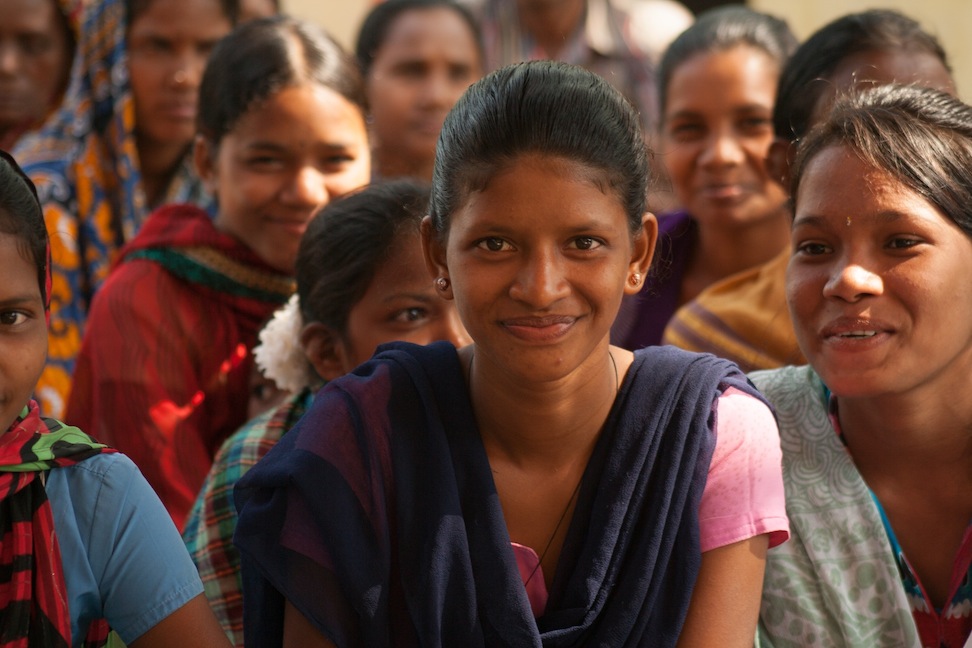
We’re aiming to help more than 30,000 women and their daughters access safe water, collectively gaining 33 million hours of time over a year.
To do this, we need your help. We’re asking for donations that will be matched and doubled and will unlock potential for women around the world.
Opportunities to work, to learn, to lead… all start with water
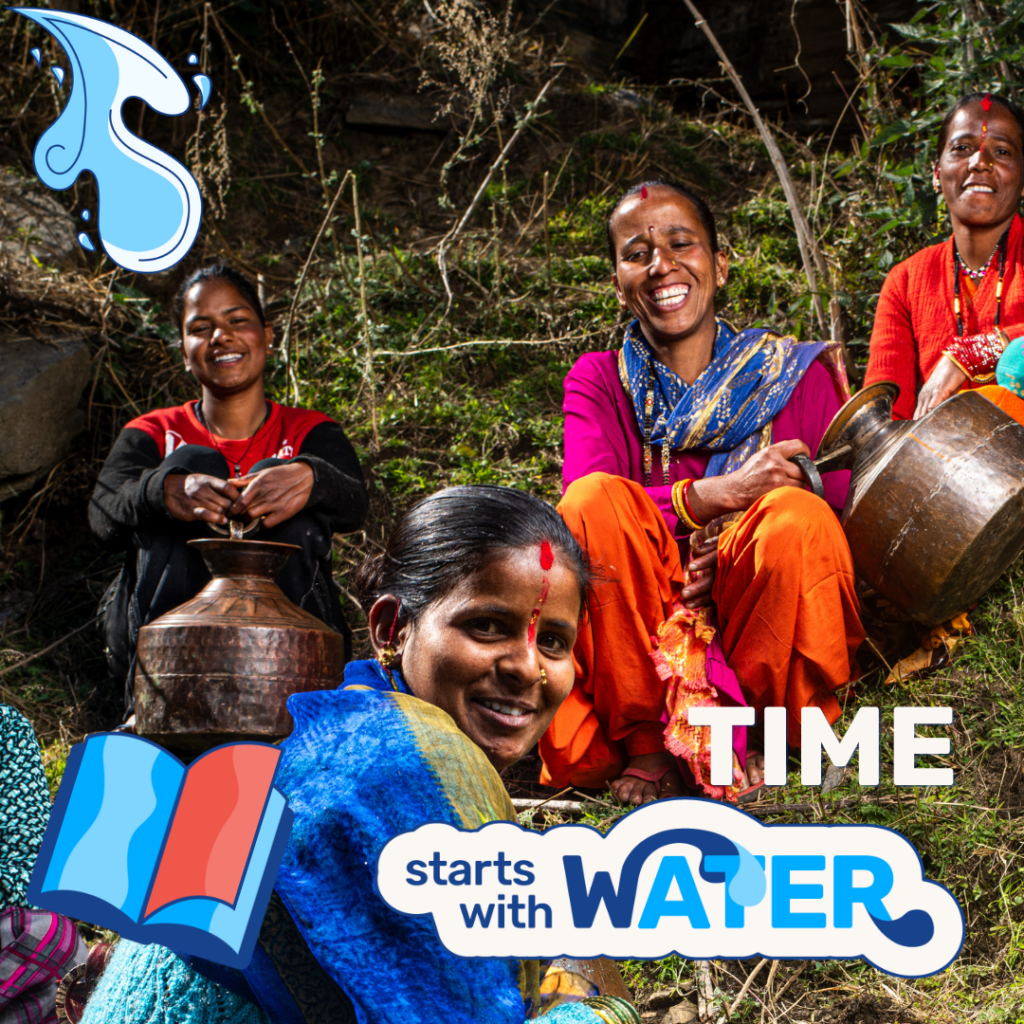
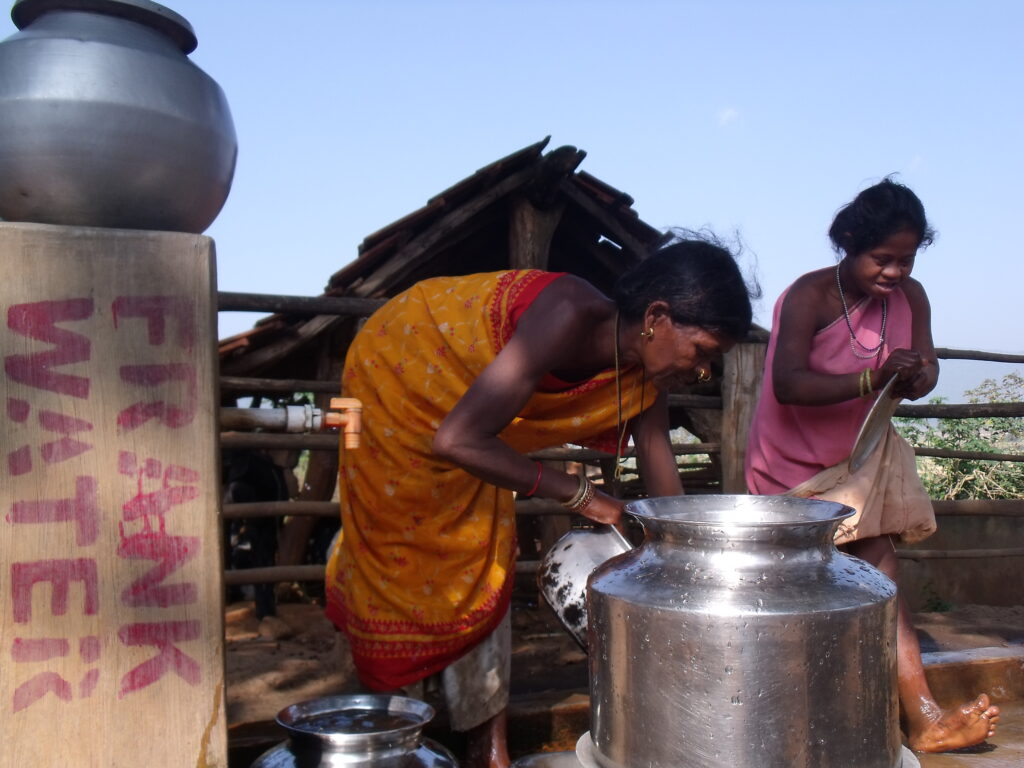
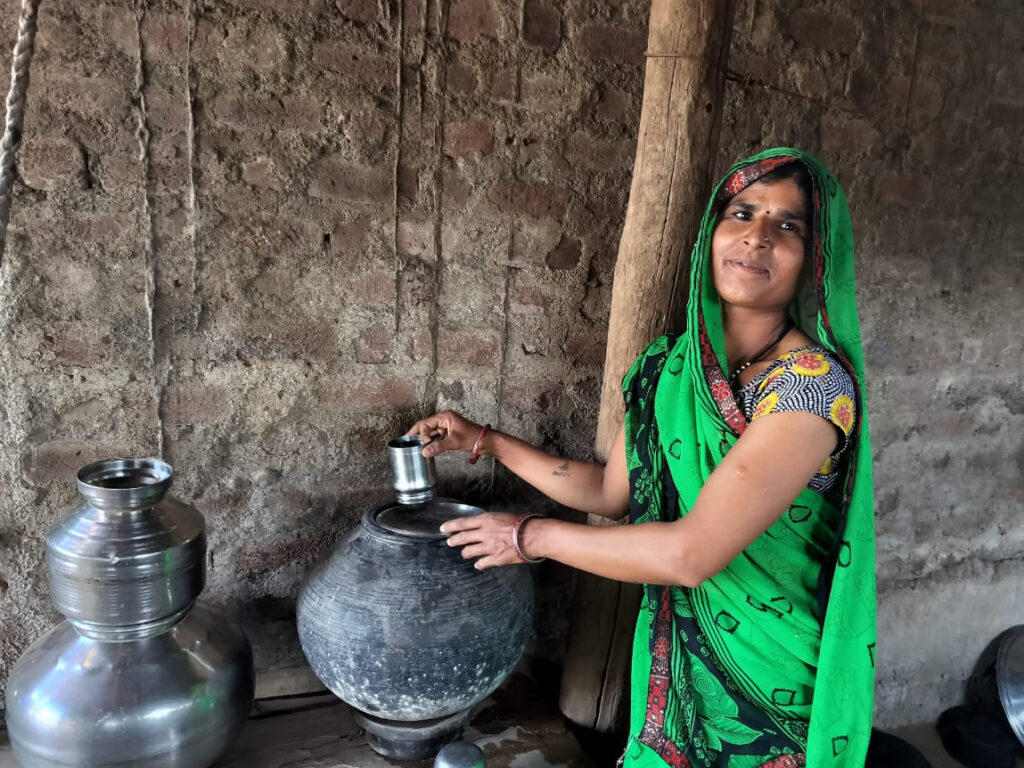
Data from 53 countries shows that women and girls spend 250 million hours every day collecting water. Time that could be used to study, work, rest, and enjoy.
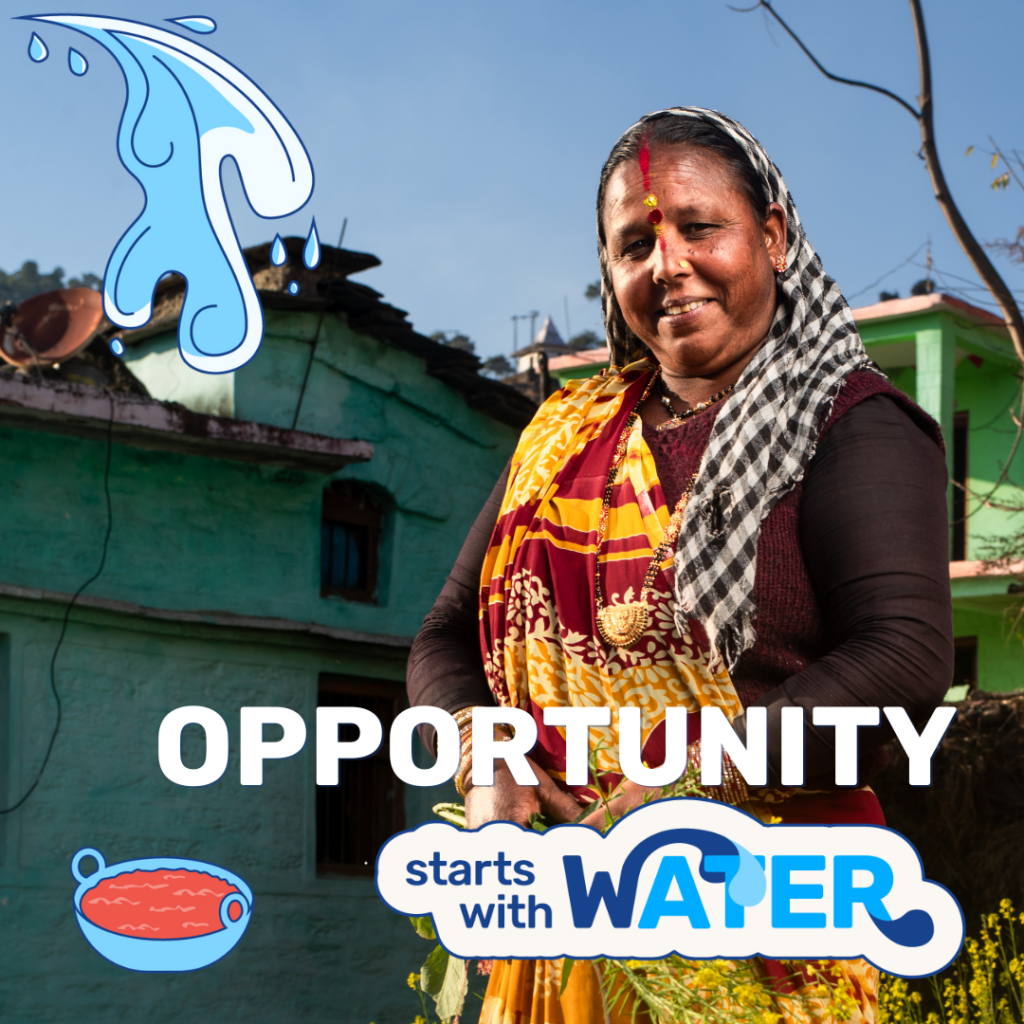
When women and girls have water close to home, they gain freedom and the chance to shape their future.
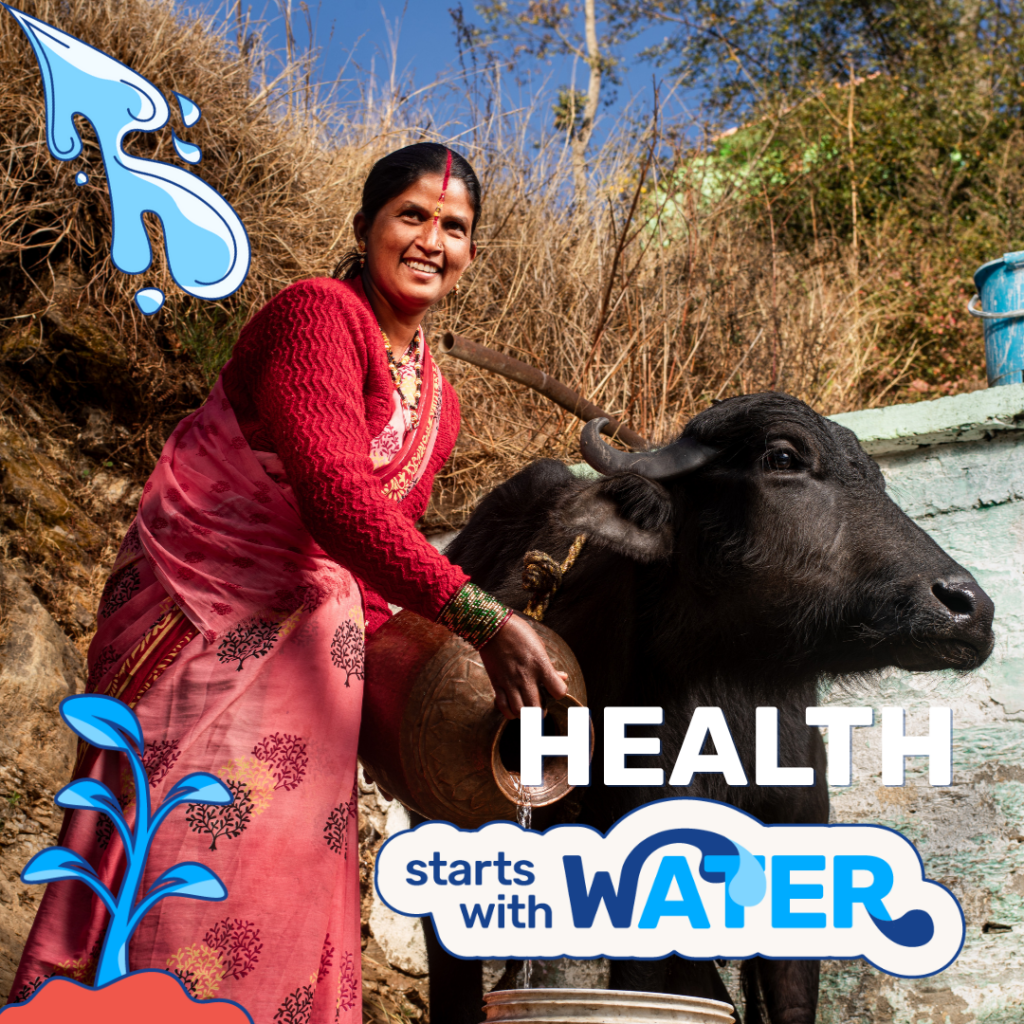
Safe water prevents disease, saves lives, and helps families thrive.
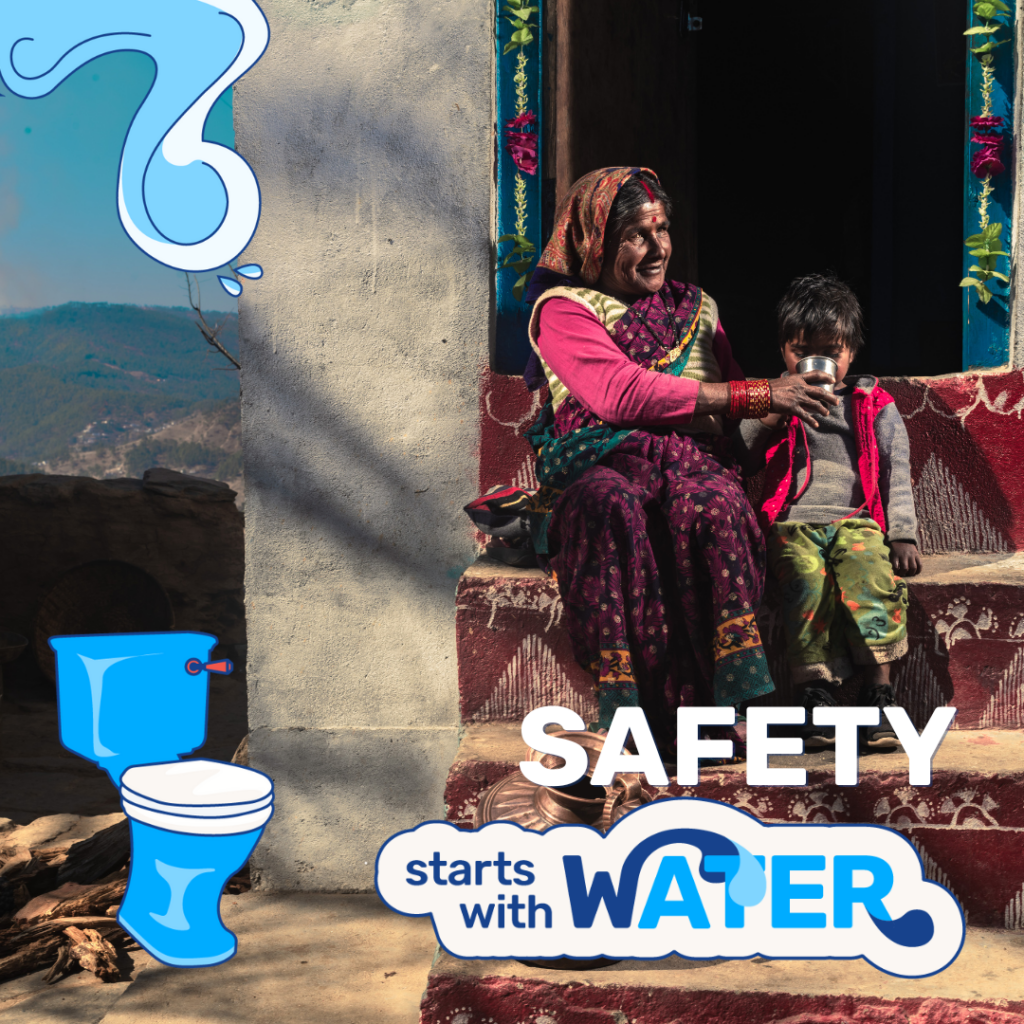
Safe water close to home and private toilets mean being able to meet basic human needs without fear, harassment or violence.
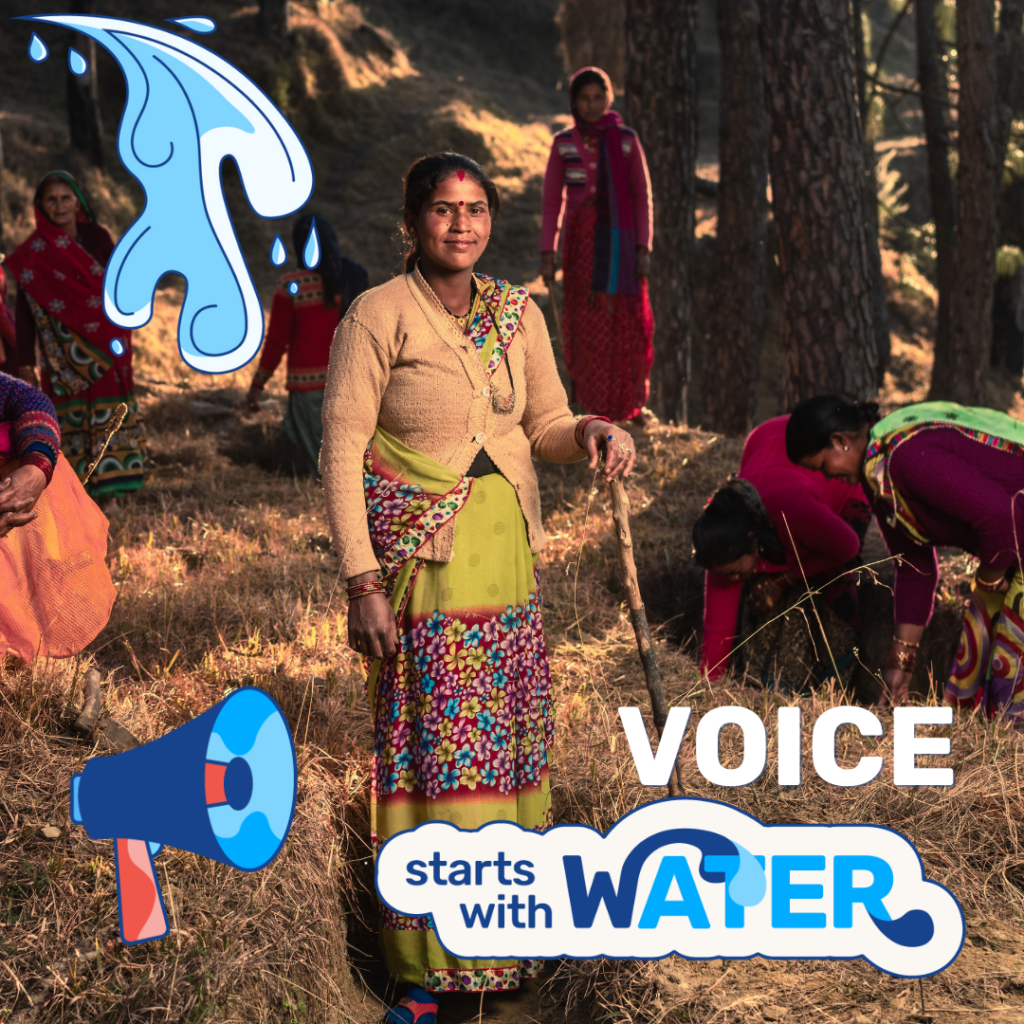
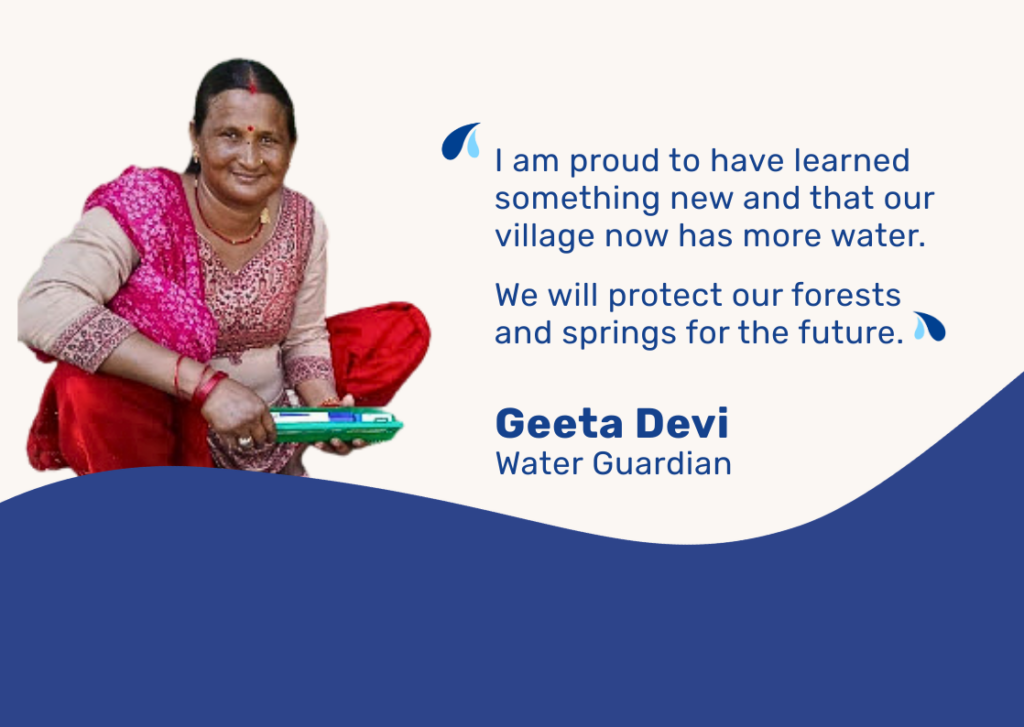
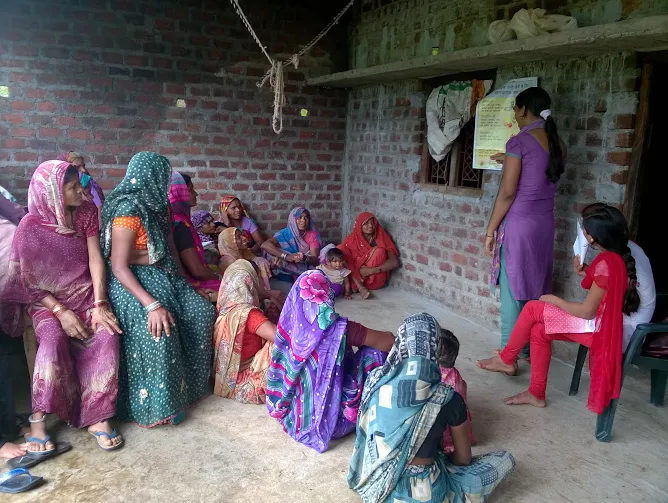
Frank Water’s work sees women leading decisions about our most precious resource and going on to help their communities grow and progress in countless ways with their strengthened voice.
Donate today to help change lives

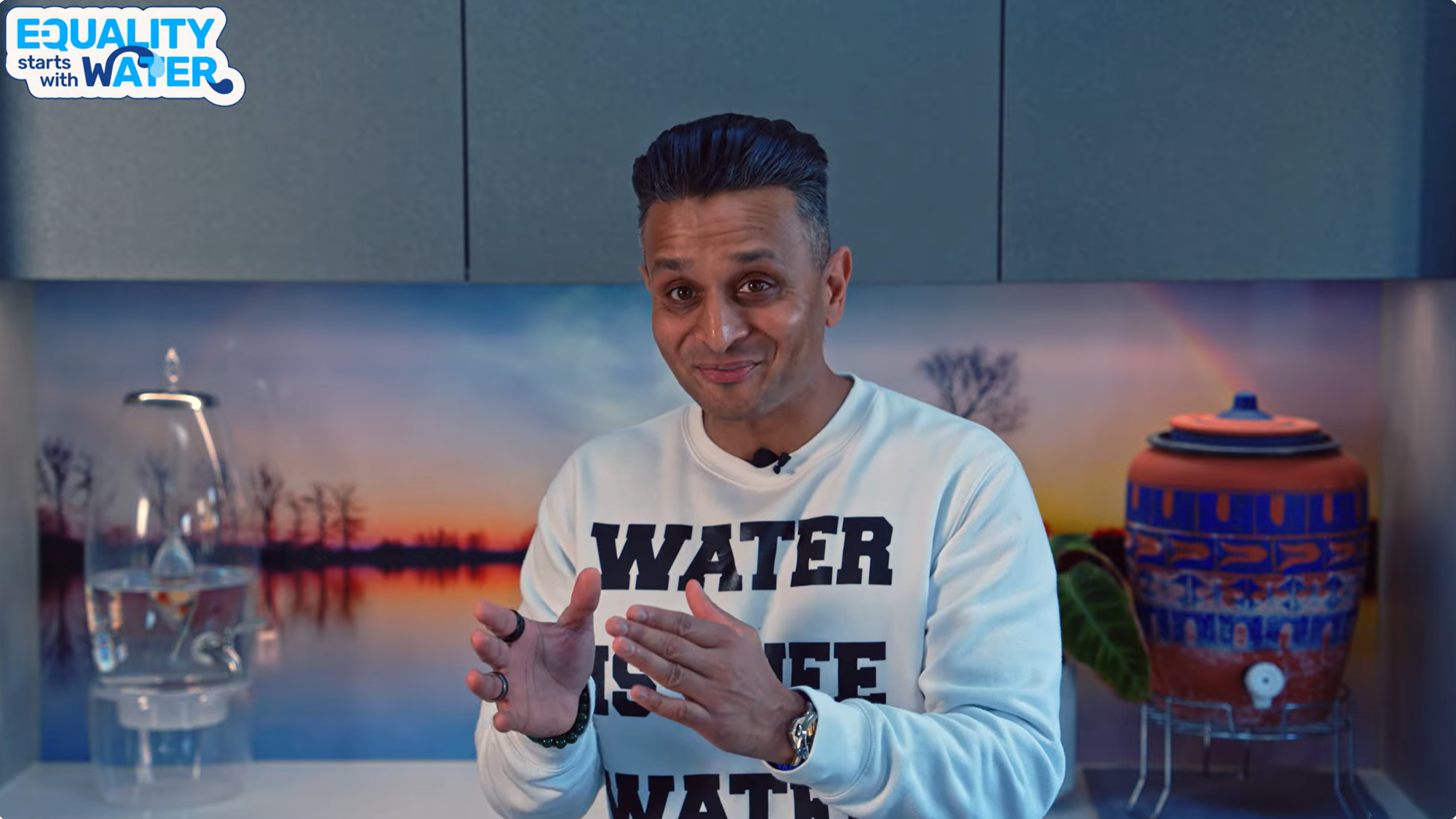
A message from Milin Patel
Milin explains why this opportunity is so special. Together, we have a chance to unlock potential for twice as many women. The lives of people like Geeta, who Frank Water works with, high in the Indian Himalayas who you can meet in the stories below.
Thank you to our appeal pledge partners that are matching your donations to double the impact:






You need to load content from reCAPTCHA to submit the form. Please note that doing so will share data with third-party providers.
More Information