Listening differently: audio notes in rural Nepal
19.05.25
By subscribing to our newsletter, you give us permission to email you with news of our work and events, plus opportunities for volunteering, challenges to take part in and special offers in our shop. You can unsubscribe any time by clicking the link in our email footer.

19.05.25
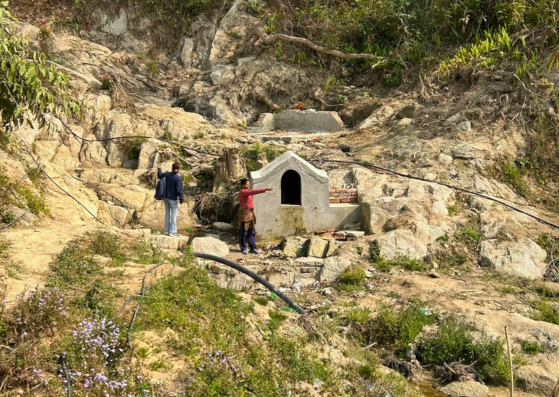
In remote regions, a gap often exists between the people who use services and those who design and improve them. Listening to people is the best way to understand barriers to safe water access – but in rural Nepal, that’s easier said than done. Mountainous terrain and patchy connectivity make it hard to hear local voices.
In collaboration with Colectiv and ICIMOD, we tested a simple combination: audio notes recorded offline on mobile phones, combined with AI transcription and translation later on. Community members in Kavrepalanchok District recorded short audio notes about their drinking water preferences and difficulties. Despite patchy internet and limited tech infrastructure, this method allowed 31 people across two villages to share their views, in their own words. But while the approach worked well overall, it wasn’t without challenges.
Two open-ended questions were asked of each participant:
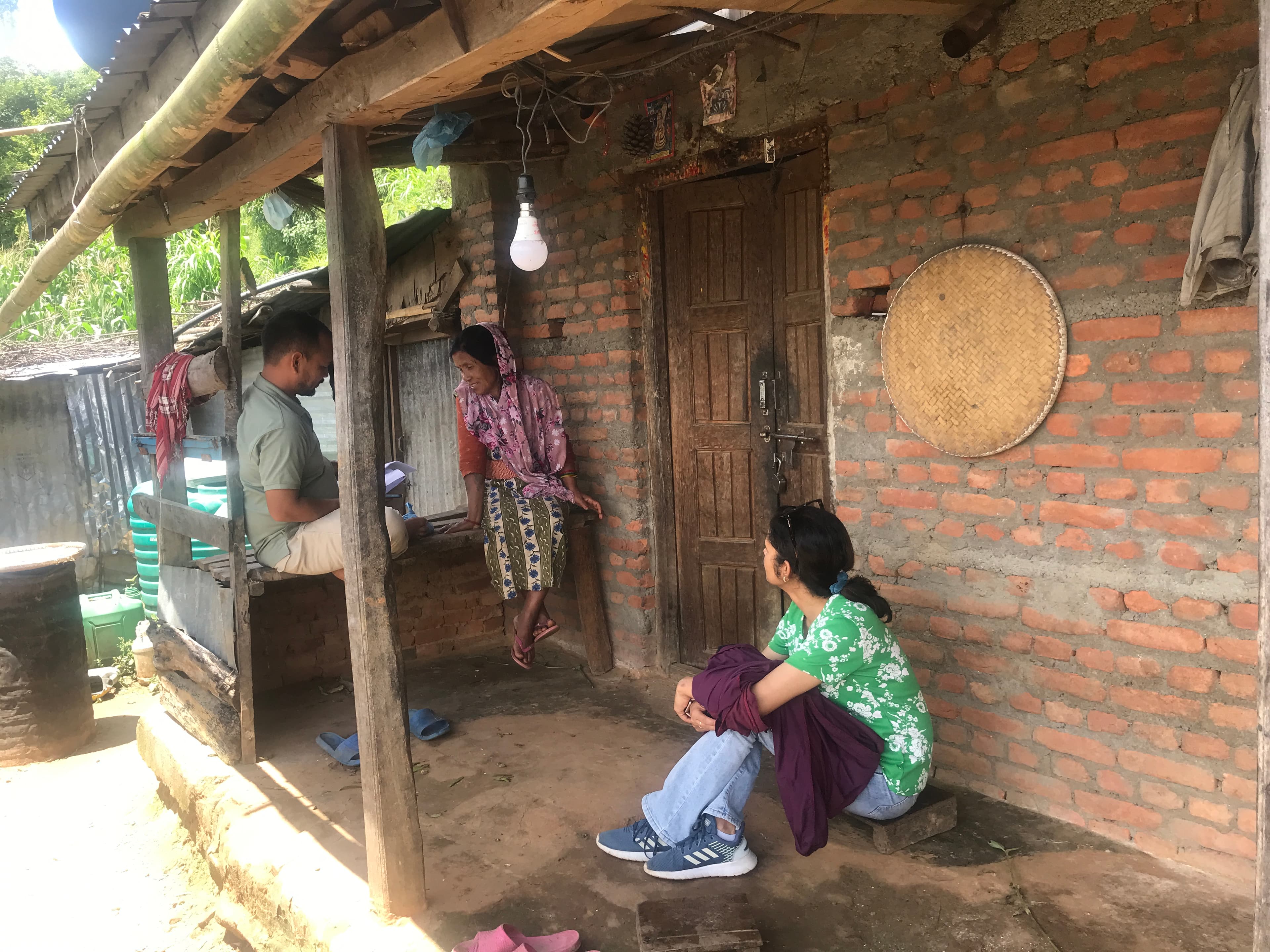
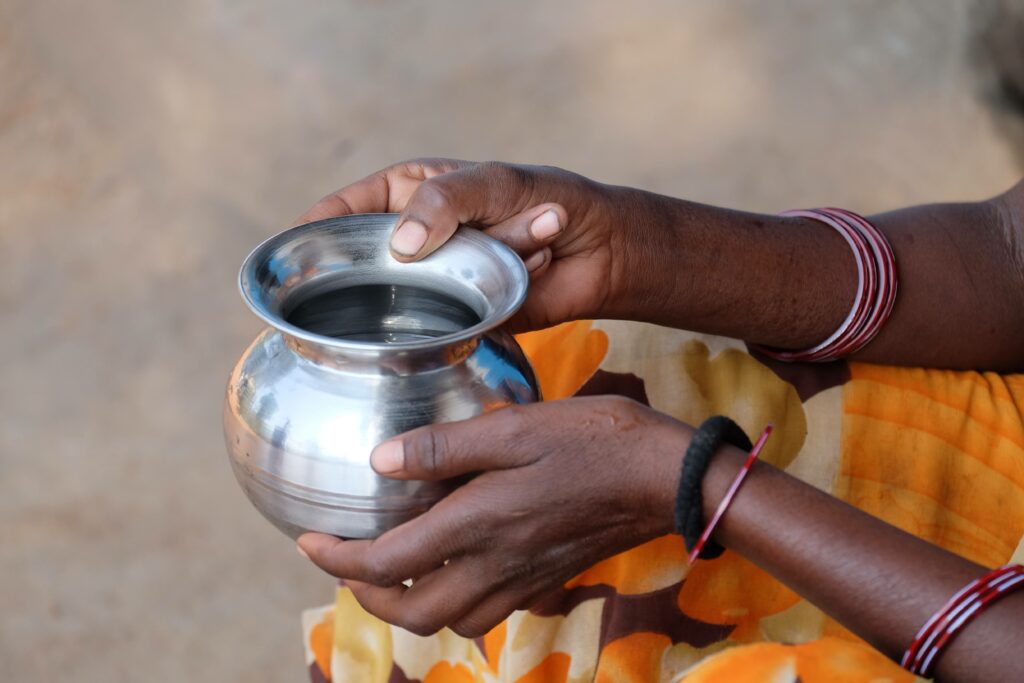
The audio notes provided valuable insights into daily life and water usage. Most participants described spring water as sweet, clean, and healthy.
“मलाई त ओपी मूलकोपानी नै मीठो हुन्छ, त्यहाँको नै राम्रो, सफा, स्वाद छ त्यहाँ बाहेकअन्तको पानी खान्दिन रत्यहाँ बाहेक अन्तको पानी चाहिदैन। म ओपी मूलको पानी प्रयोग गर्छु”
(I find the water from Opi spring to be the sweetest. It is good, clean, and has a great taste. I don’t drink water from anywhere else, and I don’t need water from any other place. I use Opi spring water.)
However, accessing this water can sometimes be a challenge. The rainy season makes paths slippery and sources muddy or inaccessible. Community members offered practical suggestions for improvement:
“टेंकि बने देखि , धारोले दिनी समस्या सजिलो हुन्थ्यो । बुढाबुढी पानी लिएर आउन सक्थे, सजिलो हुन्थ्यो भन्ने लाग्छ मलाई ।”
(If water tanks were built, then the problem would be reduced. Even old people could bring water easily. In my view, it would help us.)
Capturing clear audio was not always easy. Background noise, quiet speech, and local dialects created challenges for AI transcription. The ICIMOD team reviewed the AI transcripts and found a mix of standard Nepali, phonetic spellings, regional dialect, and some non-words. While the transcriptions weren’t always accurate word-for-word, Nepali speakers largely found that the meaning was maintained.
Even so, the pilot showed that combining audio notes with AI transcription and translation holds promise as a way to gather and analyse community perspectives, especially when paired with human review. In lower-resource languages like Nepali, human checking will remain important. Languages that AI is more competent in than Nepali, this combination of methods should show even more promise. Collectivo’s report with more details on these findings is available here.
For Frank Water, this pilot illustrates the potential of digital solutions in remote, low-connectivity areas. Initiatives like this empower communities by directly amplifying their voices, allowing their perspectives to shape decision-making and service delivery.
Donate now, support or share our Protect Water spring appeal before 23 May to double the difference you make.

You need to load content from reCAPTCHA to submit the form. Please note that doing so will share data with third-party providers.
More Information