Strengthening resilient water systems in Maharashstra
30.07.25
30.07.25
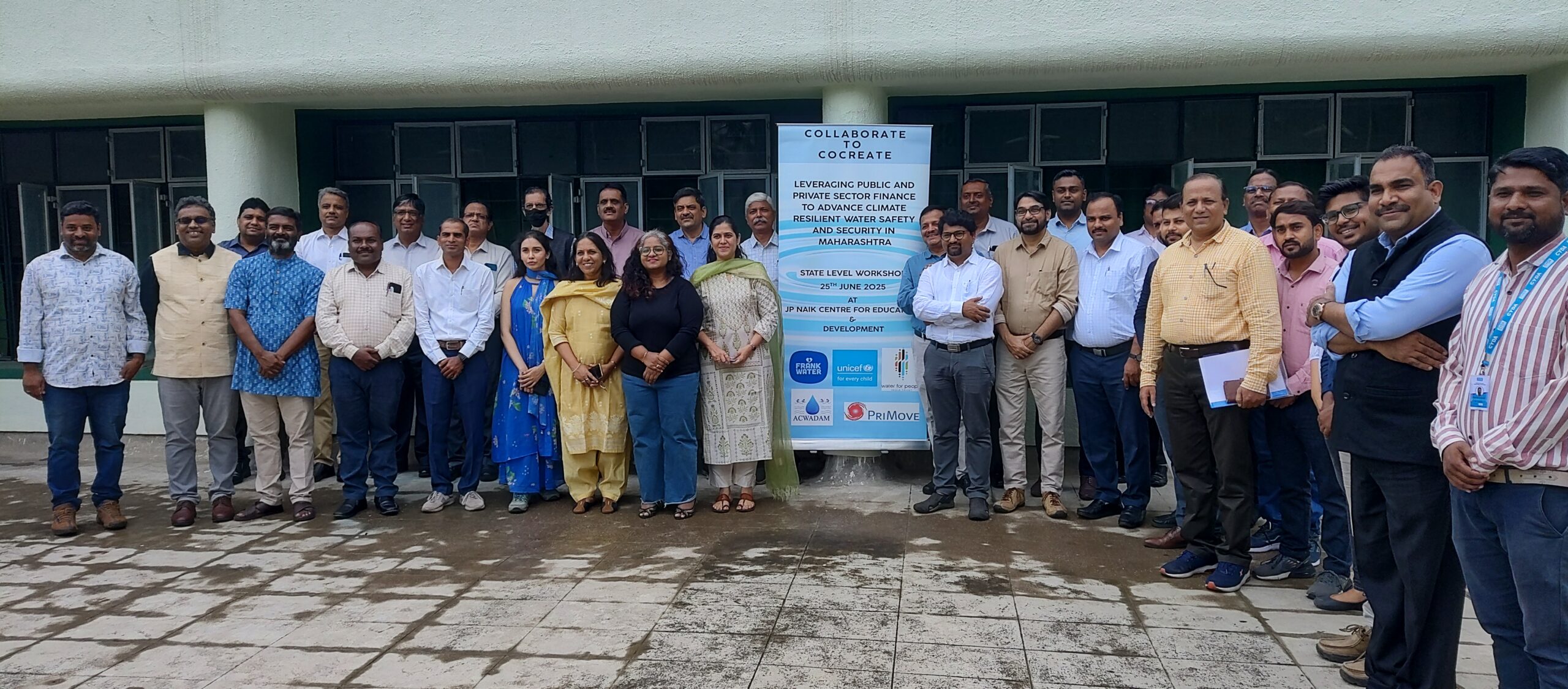
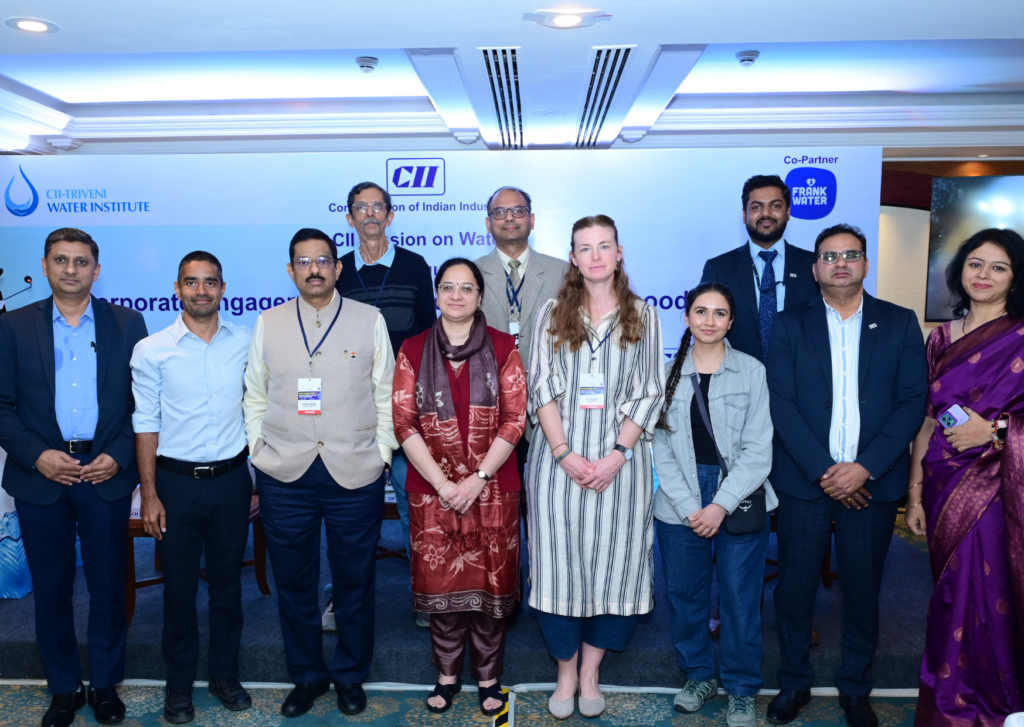
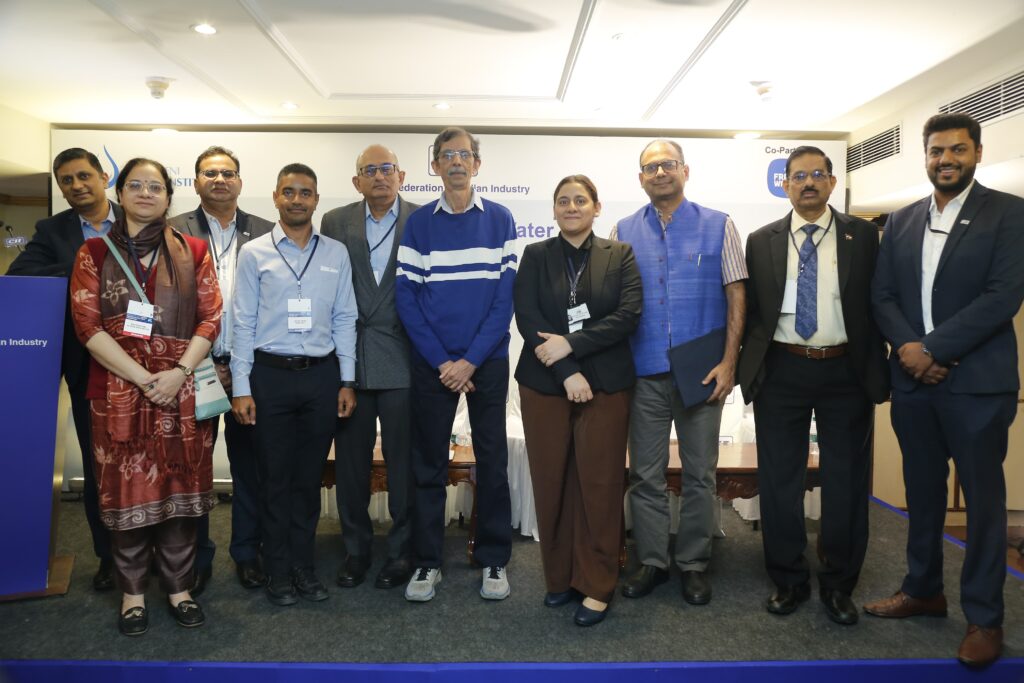
In June 2025, Frank Water, alongside its key in-country partner ACWADAM, co-organised a state-level workshop in Pune along with UNICEF India, Water for People India and Primove, on one of India’s most pressing development priorities to ensure safe, sustainable, and resilient drinking water for all. With representatives from state government departments, academic institutions, local NGOs, CSR partners such as Microsoft, Persistent, Marico, Praj Industries, and ACG, the workshop marked a pivotal step in aligning policy, practice, and community action for water resilience in Maharashtra.
At the heart of the discussions was a shared recognition: Maharashtra does not need more water infrastructure. It needs better use and governance of what already exists. With thousands of handpumps, tanks, and groundwater systems built under flagship programmes like Jal Jeevan Mission (JJM) and Atal Bhujal Yojana (ABHY), the real opportunity lies in enhancing the functionality and sustainability of these assets. Workshop participants agreed that community behavioural insights combined with hydrogeological knowledge must guide how these systems are managed to ensure long-term water security and its resilience to growing impacts of climate change.
A major focus was on conjunctive water use, or the integration of surface and groundwater systems. Renovating village ponds, tanks, and farm ponds to support lean-season supply can complement groundwater extraction while also supporting recharge. Though domestic water demand accounts for only about 1% of total usage, aligning this with broader agricultural and climate resilience efforts was seen as a critical design opportunity.
Crucially, the event placed community ownership at the centre of water governance. Local institutions like Village Water and Sanitation Committees (VHNSCs), Panchayati Raj Institutions (PRIs), and Water User Associations (WUAs) were identified as key actors in sustaining systems post-implementation. Training Jalsurakshaks, ASHA workers, and pump operators was viewed as vital for decentralised operations and maintenance (O&M). The goal is clear: shift from a project-centric to a stewardship-centric approach.
Another important theme was the role of digital tools and data systems in supporting water budgeting, behaviour change, and system planning. Examples shared by CSR partners demonstrated how AI-enabled pilots such as optimising irrigation in sugarcane farming can reduce water demand by up to 40%. These innovations, when linked with local governance and community monitoring, can drive scale and replicability across districts.
The workshop concluded with a shared consensus to strengthen climate-resilient water systems across Maharashtra by maximising public investments through private finance, institutionalising community governance, integrating data and climate insights, and aligning CSR initiatives with local needs.
As we prepare for the next multi-stakeholder convening in Mumbai this August, it’s clear that the momentum is building. The Pune workshop moved beyond technical fixes to forge a collective vision rooted in equity, community voice, and systemic impact. With the right partnerships, Maharashtra can become a blueprint for sustainable and resilient rural water governance in India.