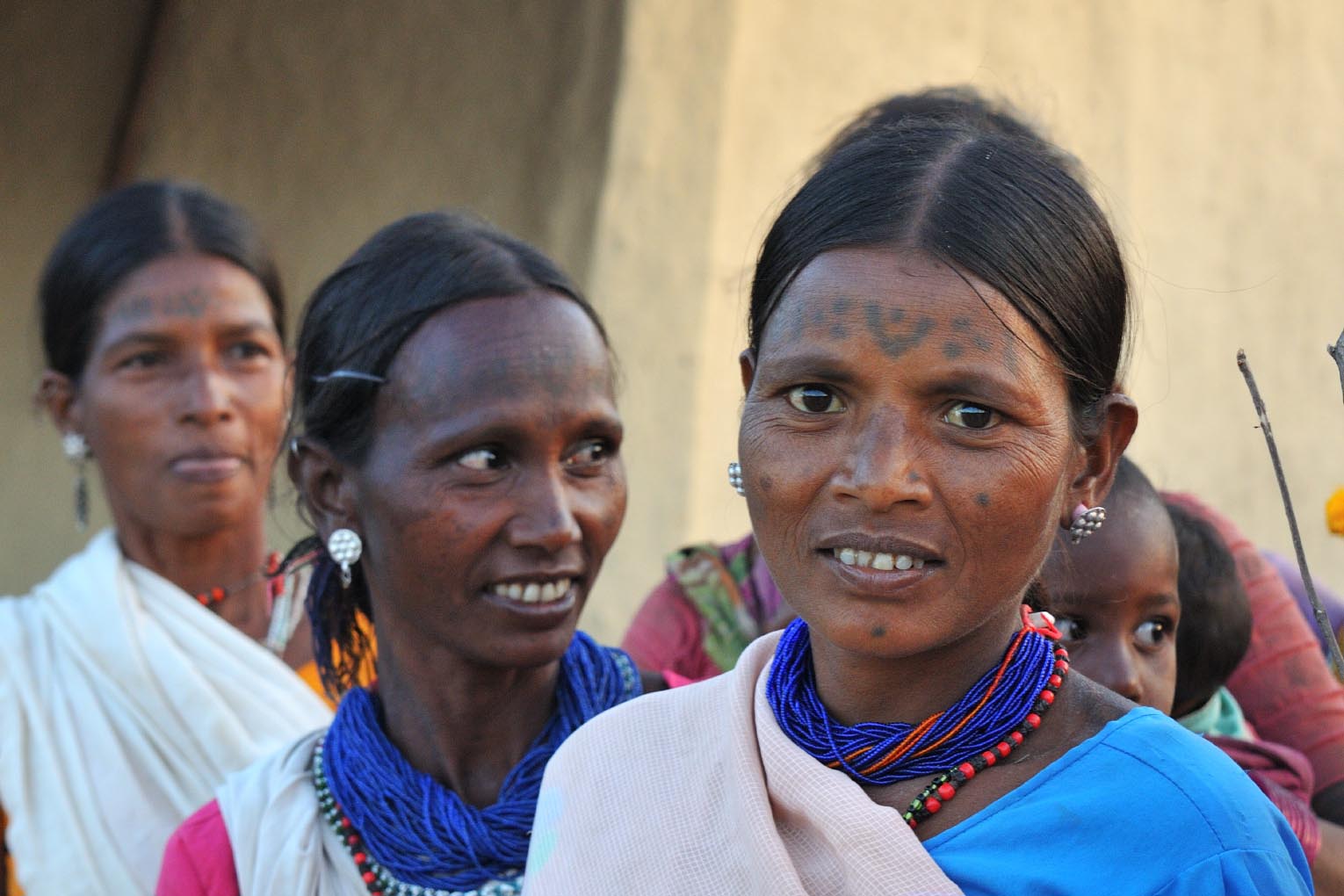
We have been working alongside communities in the state of Chhattisgarh in India for the last decade, helping people living in the most vulnerable conditions to secure brighter futures.
By working closely with local organisations, committees, and government bodies, Frank Water and our local delivery partner succeeded in improving health, hygiene, sanitation, access to clean water, and livelihood opportunities for over 17,000 tribal men and women, as well as for their children, grandchildren, and great-grandchildren.
The difference safe water makes
In 2015, the United Nations stated that “achieving sustainable water, sanitation and hygiene is vital to achieving human health and well-being as well as contributing to livelihoods and education and thus, economic growth and productivity”.
We measure Frank Water’s impact in terms of improved access to water, sanitation, and hygiene, in line with SDG6, and additionally, as a result of working together, the communities in Chhattisgarh have told us that they are also experiencing:
- less waterborne disease;
- better nutrition;
- increased agricultural productivity; and
- more dignity
We are so pleased with the difference we’ve made.
Unseen challenges in remote villages
Our work has taken place in the rural surroundings of Kawardha town, where 65% of the inhabitants are Baiga, a Particularly Vulnerable Tribal Group and one of the most deprived communities in India.
Living in remote areas, Baiga people are excluded from access to natural resources, infrastructural entitlement, and government services. Support from international NGOs is also often absent. Their villages are commonly located on hilltops, where women and girls are often forced to spend hours per day collecting water from sources that quickly dry up or don’t hold sufficient quantities.
Common challenges encountered in the work included:
- Water scarcity: The region’s geographical and geo-hydrological conditions result in high water runoff and poor land percolation capacity. This scarcity impacts drinking water availability, and the communities lack the resources and knowledge to create safe and clean water sources.
- Water contamination: The use of chemicals in daily life and the erosion of natural resources contaminate vital water sources, posing significant health risks.
- Climate change impact: Frequent climatic shifts and deforestation forced migration, disrupting traditional livelihoods.
- Agricultural challenges: Farms had low productivity due to basic farming techniques and tools.
- Low literacy rates: Census 2011 reported 41% male and 36% female literacy rates.
- Lack of awareness: Tribal communities lacked citizenship awareness and missed out on essential rights and schemes.
- Marginalisation and poverty: Limited employment opportunities and gender discrimination perpetuated poverty, impacting health and mortality rates.
How we made an impact
Project activities were conducted in these areas:
- Safe drinking water through training on water quality testing, spring management, formalising groups of water volunteers, and helping to create and implement water security plans.
- Health, hygiene, and sanitation awareness activities, ranging from posters and murals to street performances.
- Helping communities to understand and access the government support and funding they are entitled to.
- Helping women to speak up for their rights, encouraging home-based micro-enterprises, and linking women’s self-help groups to financial institutions.
- Preparing integrated water resource management plans that detail how to sustainably manage water, land, and forests, and working alongside village representatives to get implementation approved by local government.
- Mobilising infrastructure development schemes so that villagers can access safe water close to their homes.
- Strengthening Gram Panchayat level statutory bodies for effective governance and development of future water plans.
Key highlights of our activities:
- 1,152 women, girls, men, and boys participated in menstrual hygiene management workshops.
- 1,323 new toilets were constructed.
- 11 village water ambassadors were trained.
- 3,116 people were helped to access their government entitlements, including funding to build toilets and install taps.
- 63 villages now have water security, for the long term.
- 21 Gram Panchayats were strengthened for effective water governance
Thanks to these incredible efforts, 17,000 people who were once deprived of a sip of water now have access to a consistent stream.